Call Us
Tell us what's happening. A real plumber picks up, evenings, weekends and bank holidays included.
Brighton + Hove + Sussex
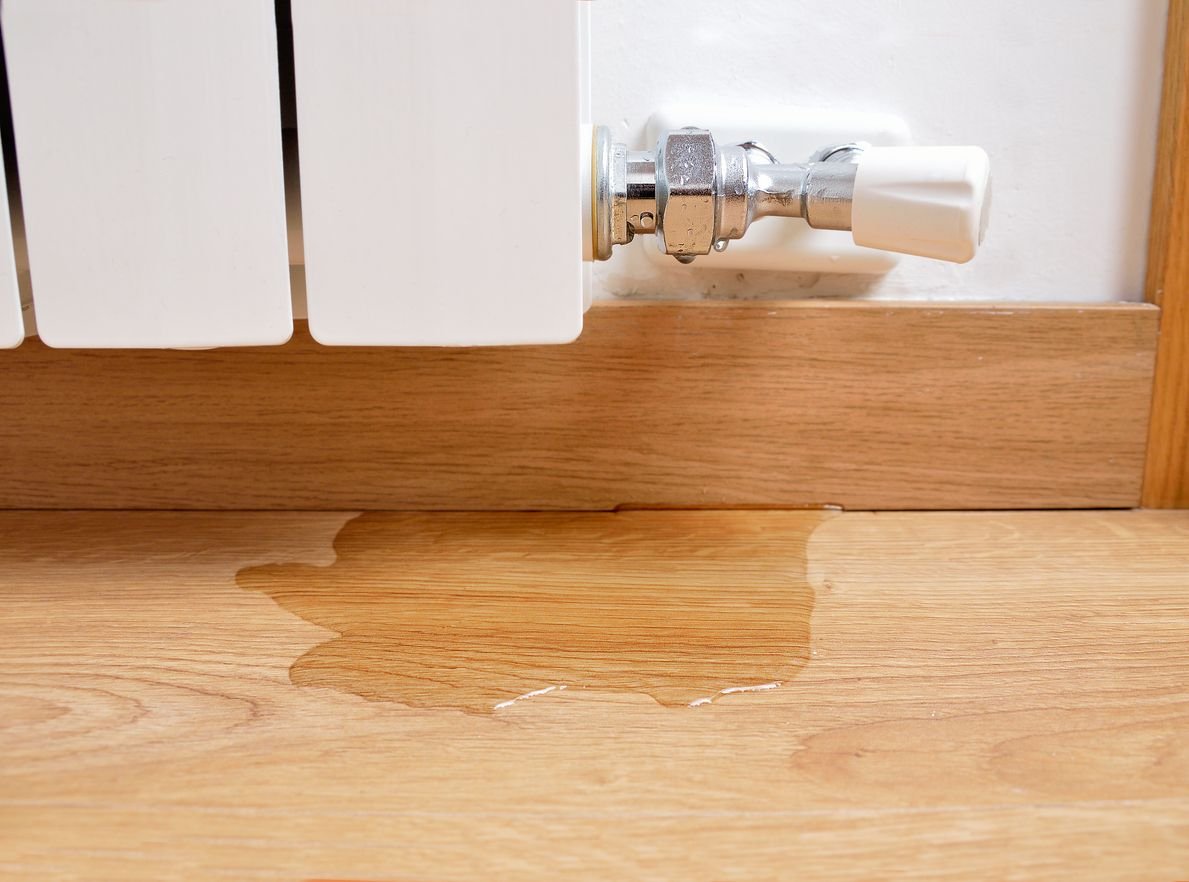
A leaking radiator or valve drips dirty, often hot water onto floors and through ceilings, and every drop lowers the pressure in your heating system. Left alone, it can stop the boiler altogether. We find the leak, stop it and get your heating back up and running.
Fast
60-Min Average Response
Upfront
Fixed-Price Quotes
Guarantee
On All Workmanship
Stocked
Vans Ready to Fix Today
The Detail
Most radiator leaks come from the valves and joints rather than the radiator itself. The gland around a valve spindle wears and weeps, compression joints under the valve loosen as the pipes heat up and cool down, and the bleed valve at the top can drip if it isn't seating properly. These are usually quick, tidy repairs.
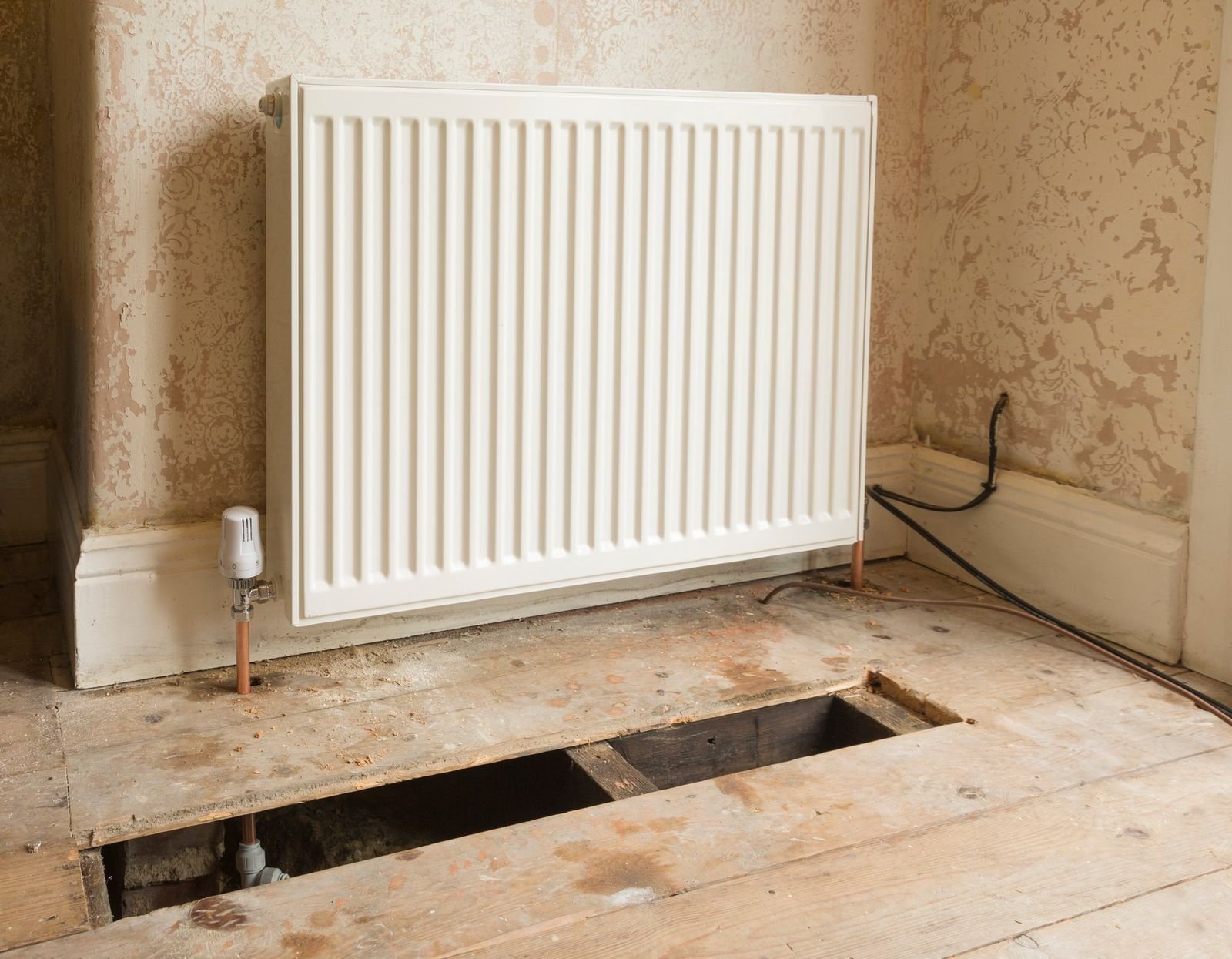
A leak from the body of the radiator is different. Heating water is often full of sludge and rust from inside the system, and over time it eats through the steel from the inside out, leaving pinholes along the bottom or the seams. Once a radiator has started corroding through, it normally needs replacing rather than patching.
Any leak drops the pressure in a sealed heating system, so a combi or system boiler may lock out until it's repaired and repressurised. We handle the plumbing side: valves, radiators, pipework, pressure and leaks. If the boiler itself has a fault, we'll tell you straight away whether a Gas Safe registered engineer is needed.
Know The Warning Signs
Radiator leaks are often slow, and heating water can dry off a warm pipe before you ever see a puddle. Watch for:
Turn the heating off and let the radiator cool. Then close both valves on the leaking radiator: turn the control valve clockwise, and close the lockshield valve at the other end with an adjustable spanner, counting the turns so it can be reset later.
Catch the drips with a container and an old towel, as heating water is dirty and stains carpets and boards. If the leak is heavy or the valves won't close, switch off the boiler and call us. If water is near electrics, keep away and switch off at the fuse box only if it's safe to reach.
Don't keep topping up the boiler pressure while the leak is still running, as fresh water brings more oxygen and more corrosion into the system. If you smell gas at any point, leave the property and call the National Gas Emergency line on 0800 111 999.
Call an Emergency Plumber NowWhat To Expect
Tell us what's happening. A real plumber picks up, evenings, weekends and bank holidays included.
You get a realistic arrival window and our call-out rate up front, before anyone sets off.
Water off and the area made safe first, then we trace the actual cause and explain it in plain English.
Vans stocked with pipe, fittings and valves fix most problems on the first visit. Anything we can't finish that night is isolated and made watertight.
Why Choose Us
Committed to Quality and Care
Proudly serving our community with reliable, high-quality plumbing work you can count on.
Our qualified, fully insured plumbers bring expertise, care and precision to every single call.
We respect your time and budget, delivering results without delays or excuses.
Transparent, upfront quotes, with no hidden fees and no surprise out-of-hours mark-ups.
Evenings, weekends and bank holidays. The phone is answered when the leak actually happens.
Pipe, fittings, valves, drain rods and a jetter carried as standard, so most emergency repairs are completed on the first visit.
FAQ
Feel free to contact us for more information
Usually it's the gland, the seal around the valve spindle, which wears with age and weeps when the valve is turned. It can also be the compression nut joining the valve to the pipe or radiator, which loosens over time. Many valve leaks are fixed by repacking the gland or remaking the joint. If the valve itself is worn out, we'll replace it.
Not reliably. A pinhole usually means the radiator is corroding from the inside, and where there's one, more tend to follow. A sealant or putty might slow a drip for a while, but the honest fix is replacing the radiator. We can isolate it so the rest of your heating keeps working until the replacement goes in.
In a sealed heating system, falling pressure almost always means water is escaping somewhere. That's often a weeping radiator valve, a pipe joint under the floor, or a pressure relief valve on the boiler letting by. Topping it up only treats the symptom. We trace where the water is going and fix it, and if the cause is inside the boiler we'll tell you if a Gas Safe registered engineer is needed.
Yes. Close the control valve at one end, usually the one with the thermostatic head or handle, then close the lockshield valve at the other end with a spanner, counting the turns. That isolates the radiator from the system, so you can catch the drips while the rest of the house stays warm. If either valve won't close, leave it and call us.
It can. Heating water is dirty and often carries sludge and rust, so it stains carpets and floorboards, and a slow leak can soak into the floor and ceiling below for weeks before anyone notices. It also lets air and fresh water into the system, which speeds up corrosion everywhere else. It's well worth fixing early.
Emergency Call-Outs
Tell us what's happening and we'll tell you straight away whether it needs a plumber tonight or can safely wait until morning. No obligation either way.