Call Us
Tell us what's happening. A real plumber picks up, evenings, weekends and bank holidays included.
Brighton + Hove + Sussex
Your stopcock is the one valve that stops a leak becoming a flood, and most people only find out it's seized at the moment they need it. Stuck, leaking, not shutting off or impossible to find, we repair and replace stopcocks and isolation valves, and make sure you know exactly where yours is.
Fast
60-Min Average Response
Upfront
Fixed-Price Quotes
Guarantee
On All Workmanship
Stocked
Vans Ready to Fix Today
Stopcocks & Isolation Valves
The internal stopcock controls the mains cold water coming into your home. It's usually under the kitchen sink, but in older Sussex terraces it's often under the stairs, in a cellar or under the floorboards near the front door. Isolation valves are the smaller valves on the pipes feeding toilets, taps, washing machines and showers, so you can turn off one fitting without shutting off the whole house.
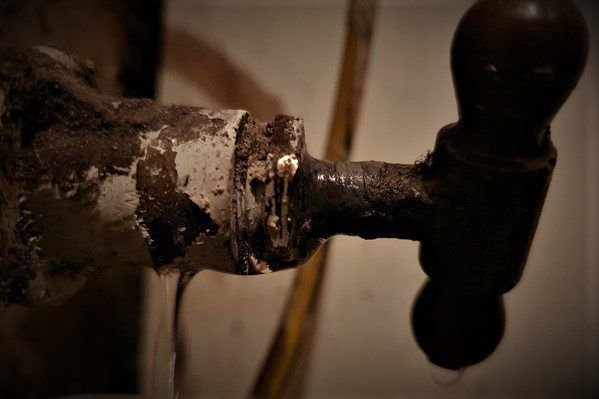
Stopcocks that sit untouched for years tend to seize. The spindle scales up, the gland packing dries out and the washer perishes, so when you finally need it the handle won't budge, snaps off, or turns without stopping the water. Forcing a seized stopcock can crack an old fitting or damage the pipe, which turns a small leak into a much bigger one.
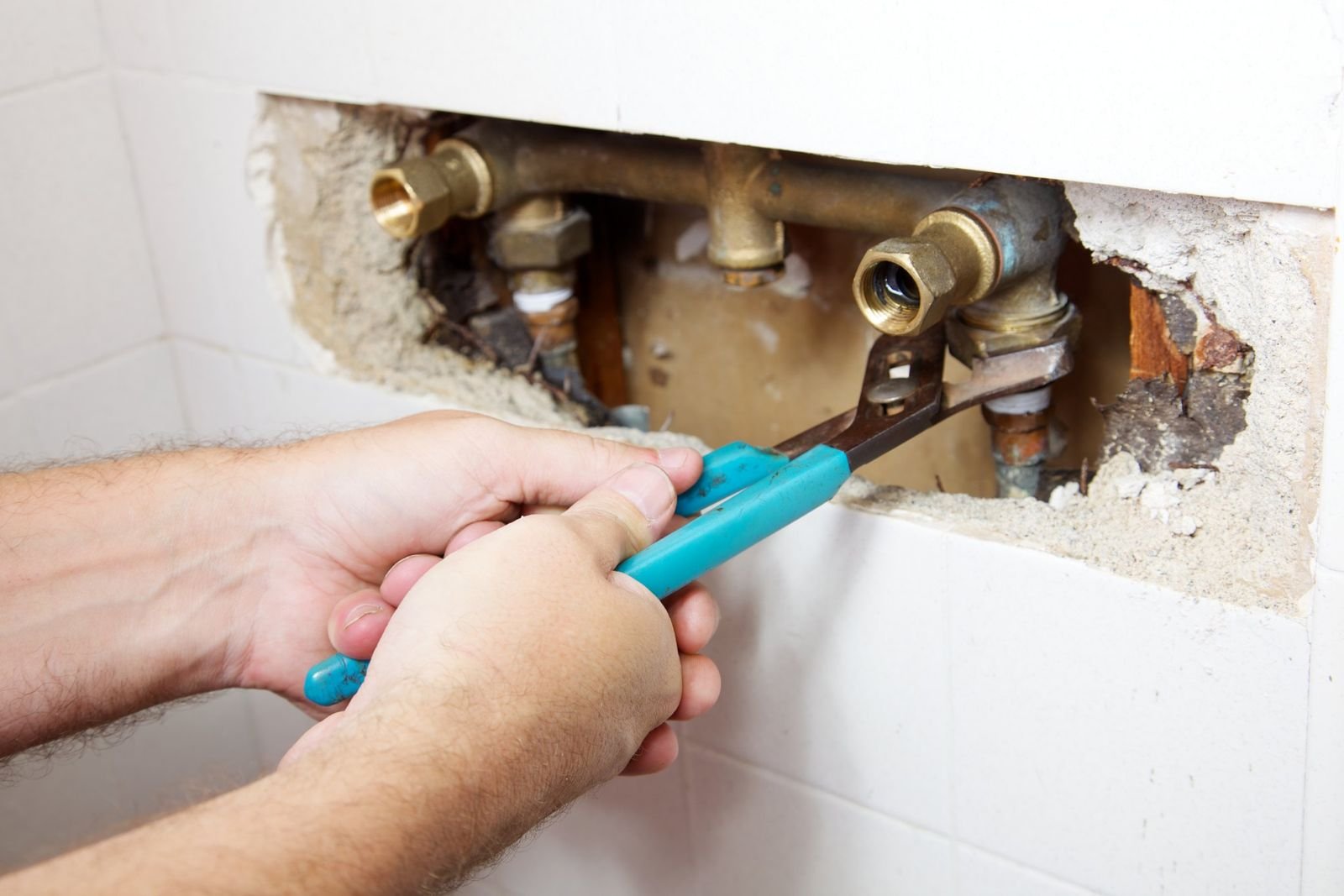
It's a job best done before an emergency, not during one. We free off or replace seized stopcocks, fix weeping glands, fit isolation valves to toilets, taps and appliances, and show you exactly where everything is so you can act fast next time. If the outside stop tap is the problem, we'll tell you whether it's yours or the water company's to fix.
Signs To Look For
A stopcock isn't something you think about until a pipe bursts. If any of these sound familiar, it's worth getting sorted now.
Turn it clockwise with steady pressure by hand. Don't use a long wrench or a hammer on it, as an old stopcock or pipe can crack under force and make things far worse. If it won't move, look for a second valve nearby, under the stairs, in a cellar or near the front door.
While the water is still running, catch what you can, move valuables and keep away from any electrics the water is near. If it's hot water leaking, switch off the boiler and immersion heater, then open the cold taps to drain down as much as you can.
Water coming through a ceiling or spreading fast and you still can't stop it? Keep everyone out of the affected rooms, don't stand under a bulging ceiling, and ring us straight away. We'll talk you through finding the outside stop tap while we're on our way.
Call an Emergency Plumber NowWhat To Expect
Tell us what's happening. A real plumber picks up, evenings, weekends and bank holidays included.
You get a realistic arrival window and our call-out rate up front, before anyone sets off.
Water off and the area made safe first, then we trace the actual cause and explain it in plain English.
Vans stocked with pipe, fittings and valves fix most problems on the first visit. Anything we can't finish that night is isolated and made watertight.
Why Choose Us
Committed to Quality and Care
Proudly serving our community with reliable, high-quality plumbing work you can count on.
Our qualified, fully insured plumbers bring expertise, care and precision to every single call.
We respect your time and budget, delivering results without delays or excuses.
Transparent, upfront quotes, with no hidden fees and no surprise out-of-hours mark-ups.
Evenings, weekends and bank holidays. The phone is answered when the leak actually happens.
Pipe, fittings, valves, drain rods and a jetter carried as standard, so most emergency repairs are completed on the first visit.
FAQ
Feel free to contact us for more information
Most often under the kitchen sink, where the mains supply comes into the house. In older homes and Victorian terraces it can be under the stairs, in a cellar, in a downstairs cupboard or under the floorboards near the front door. In flats it may be in a hallway cupboard or a shared riser. If you can't find yours, we'll locate it and label it while we're there.
No. A stopcock that hasn't been turned in years is often seized, and forcing it with a wrench can snap the handle, crack the body or damage the pipe it's fitted to. Gentle, steady pressure by hand is fine. If it won't move, leave it and call us. We can free it off safely or replace it.
Usually it's the gland, the packing around the spindle where the handle goes in. It dries out or wears, especially when a stopcock is turned for the first time in years, and water starts weeping out around the handle. Sometimes nipping up the gland nut is enough. If the body is corroded or the washer has perished, it's better replaced.
Isolation valves are small valves on the pipes feeding individual fittings, like toilets, taps, washing machines and showers. They let you turn off the water to one fitting without shutting off the whole house. If a cistern overflows or a tap starts leaking, an isolation valve means you can stop it in seconds and keep the rest of your water on. Most homes benefit from having them fitted where they're missing.
The outside stop tap, usually under a small cover in the pavement or front garden, is generally the water company's responsibility, along with the pipe up to your boundary. The supply pipe from the boundary into your home, and the internal stopcock, are usually yours. If the problem is on their side, we'll tell you so you can report it to your water supplier.
Emergency Call-Outs
Tell us what's happening and we'll tell you straight away whether it needs a plumber tonight or can safely wait until morning. No obligation either way.