Call Us
Tell us what's happening. A real plumber picks up, evenings, weekends and bank holidays included.
Brighton + Hove + Sussex
A shower that leaks through the ceiling below, won't stop dripping, swings from scalding to freezing, or barely trickles is more than an annoyance. Water escaping in a bathroom finds its way into floors and ceilings fast. We treat it as an emergency and attend day or night.
Fast
60-Min Average Response
Upfront
Fixed-Price Quotes
Guarantee
On All Workmanship
Stocked
Vans Ready to Fix Today
THE PROBLEM
Most shower problems come down to a handful of parts working hard in hot, hard water. Mixer valves rely on cartridges and seals that wear and scale up, diverters stick, hoses split at the ferrule, and shower heads clog with limescale until the flow drops to a dribble. Across Sussex the water is hard, so scale is behind a lot of the shower calls we get.
The bigger worry is water going where it shouldn't. A failed tray seal, cracked grout, a weeping waste trap or a leaking joint on the pipework behind the tiles can soak the floor for weeks before a stain appears on the ceiling underneath. By then the boards, joists or plasterboard may already be wet, which is why a shower leak is worth tracing early rather than living with.
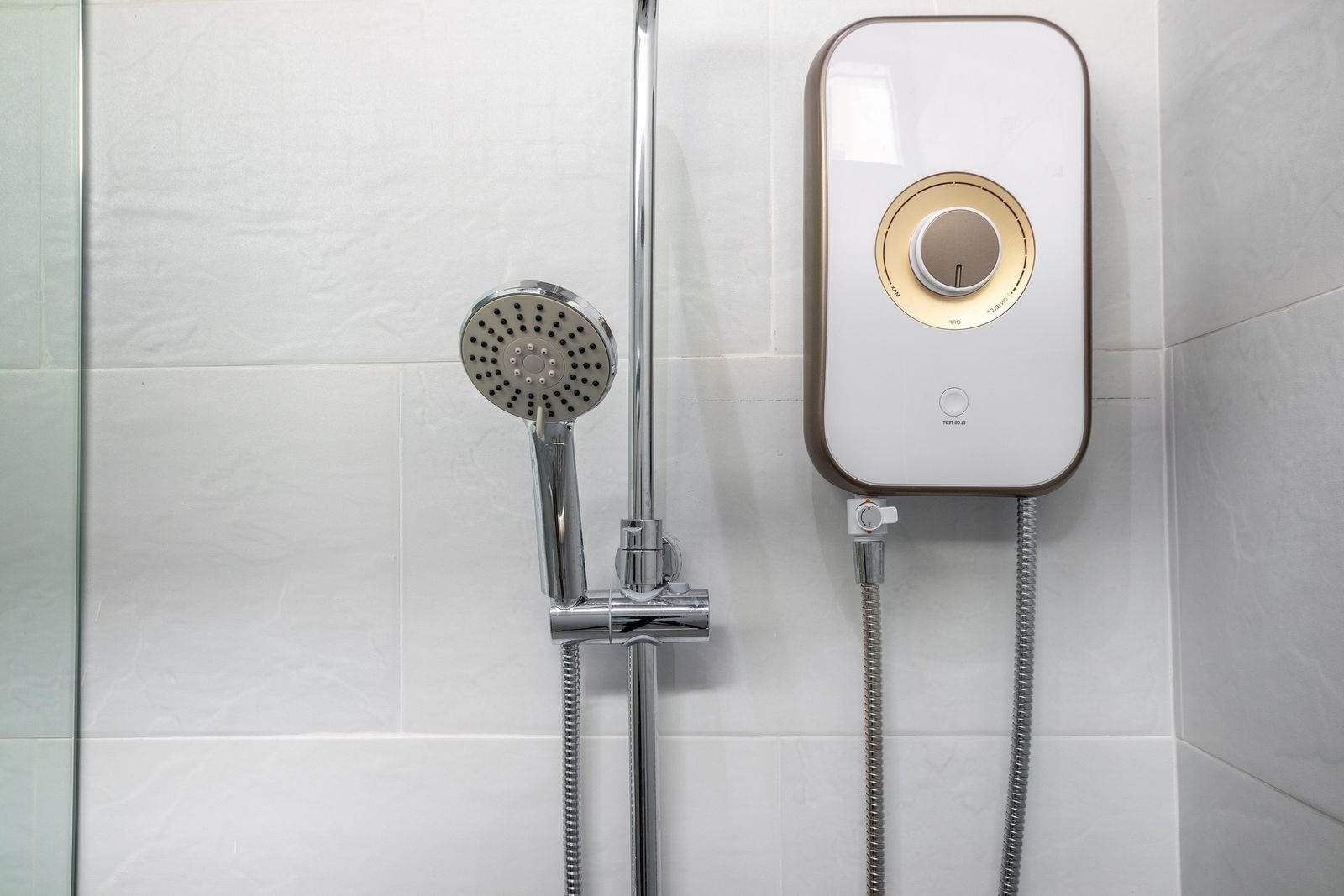
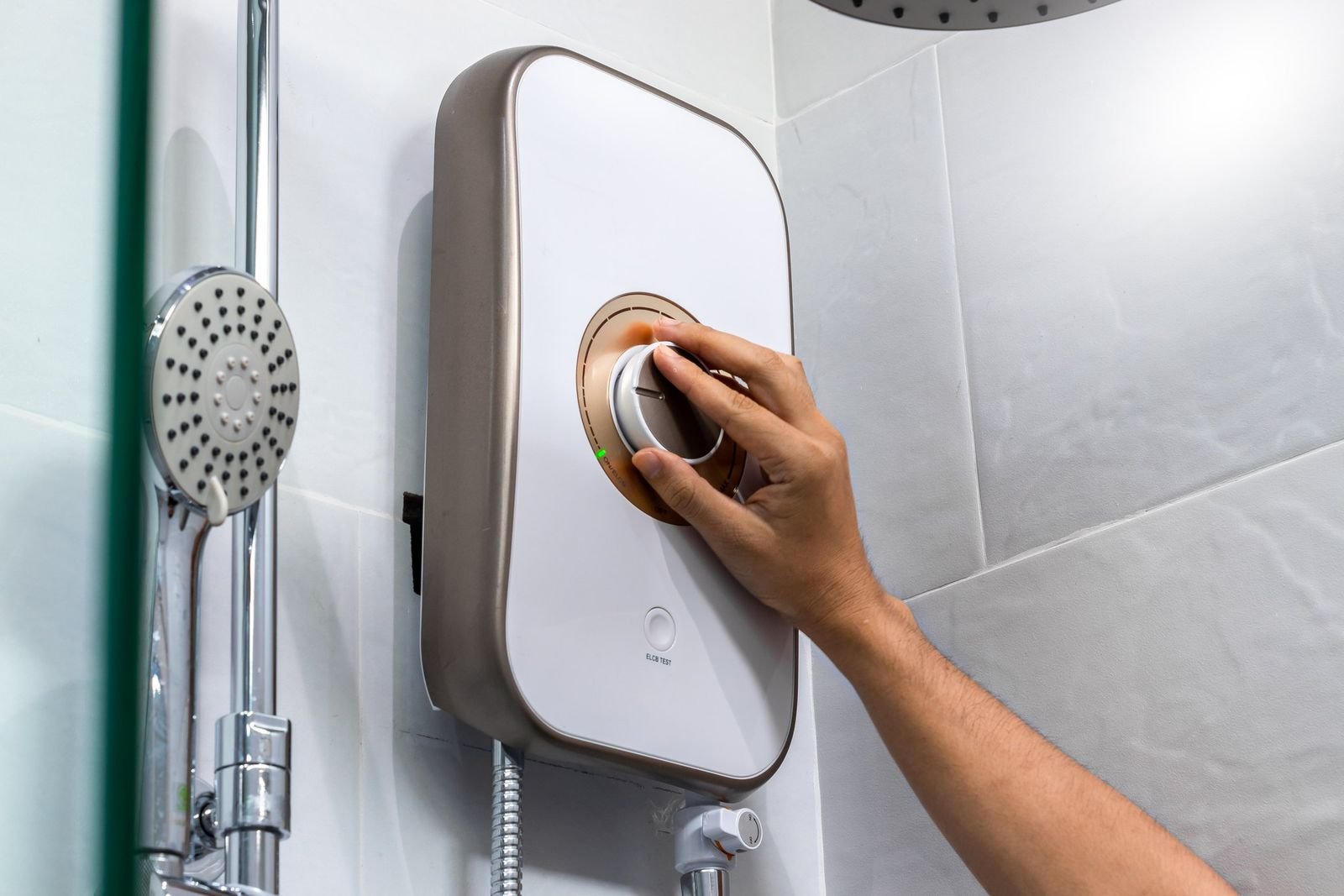
Showers with their own built-in heater need extra care. We handle the plumbing side: the water supply, the inlet, the hose, the head and any leaks around the unit. If water has got inside the unit's casing it must not be used, so we'll isolate it and tell you straight away whether the unit can be repaired or needs replacing. Never keep using a shower that's leaking from inside.
SIGNS & SAFETY
Bathrooms are built to get wet on the surface, not underneath. Once water gets past a tray seal or a pipe joint, it travels along joists and pools out of sight. That's why a shower leak gets treated as urgent, not routine.
Stop using the shower and turn off its isolation valve if it has one, usually a small screw valve on the pipe feeding it. If you can't find one, or water is still escaping, turn off the water at the stopcock, usually under the kitchen sink.
Water coming through the ceiling below? Keep away from light fittings and switches near the leak, and switch off at the fuse box only if it's safe to reach. If the ceiling is bulging, don't stand under it. Put buckets and towels down, move valuables and catch what you can.
Shower leaking from inside its casing, or hot water you can't turn off? Switch the shower off at its pull cord with dry hands if it's safe to do so, switch off the boiler or immersion heater, and leave the unit alone until we get there.
Call an Emergency Plumber NowWhat To Expect
Tell us what's happening. A real plumber picks up, evenings, weekends and bank holidays included.
You get a realistic arrival window and our call-out rate up front, before anyone sets off.
Water off and the area made safe first, then we trace the actual cause and explain it in plain English.
Vans stocked with pipe, fittings and valves fix most problems on the first visit. Anything we can't finish that night is isolated and made watertight.
Why Choose Us
Committed to Quality and Care
Proudly serving our community with reliable, high-quality plumbing work you can count on.
Our qualified, fully insured plumbers bring expertise, care and precision to every single call.
We respect your time and budget, delivering results without delays or excuses.
Transparent, upfront quotes, with no hidden fees and no surprise out-of-hours mark-ups.
Evenings, weekends and bank holidays. The phone is answered when the leak actually happens.
Pipe, fittings, valves, drain rods and a jetter carried as standard, so most emergency repairs are completed on the first visit.
FAQ
Feel free to contact us for more information
Usually it's one of three things: a failed seal around the shower tray, cracked grout or sealant letting water behind the tiles, or a leaking joint on the waste or supply pipework. The tray seal is the most common culprit, because it flexes every time someone stands in it. We find the actual source before anything gets resealed, so you're not paying to fix the wrong thing.
A short drip as the head empties is normal. A steady drip that carries on means the valve isn't shutting off fully, usually because a cartridge or washer inside the mixer has worn or scaled up. In Sussex's hard water that's very common. It's normally a straightforward cartridge or seal replacement, and we carry common types on the van.
If it's only the shower, check the head first: limescale blocking the holes is the usual cause, and a soak in descaler often sorts it. If the flow is still poor with the head off, it may be a blocked filter in the valve, a failing cartridge, a kinked hose or a problem with the pump on a pumped system. If the whole house has lost pressure, that's a supply issue rather than the shower.
Usually it's a mixer valve that can't balance the hot and cold supplies, either because its thermostatic cartridge has worn or scaled up, or because the pressure changes when someone runs a tap or flushes a toilet. A combi boiler that struggles at low flow can cause it too. We check the valve and the supplies together, and if the boiler itself is at fault we'll tell you straight away whether a Gas Safe registered engineer is needed.
Best not to. Even a slow leak around a tray or behind tiles can soak floors and joists, rot timbers and eventually bring a ceiling down. If the leak only shows when the shower runs, stop using it and use a bath or basin until it's been looked at. If water is escaping even with the shower off, turn off the water at the stopcock and call us.
Emergency Call-Outs
Tell us what's happening and we'll tell you straight away whether it needs a plumber tonight or can safely wait until morning. No obligation either way.